







Search Results for: drinking water market
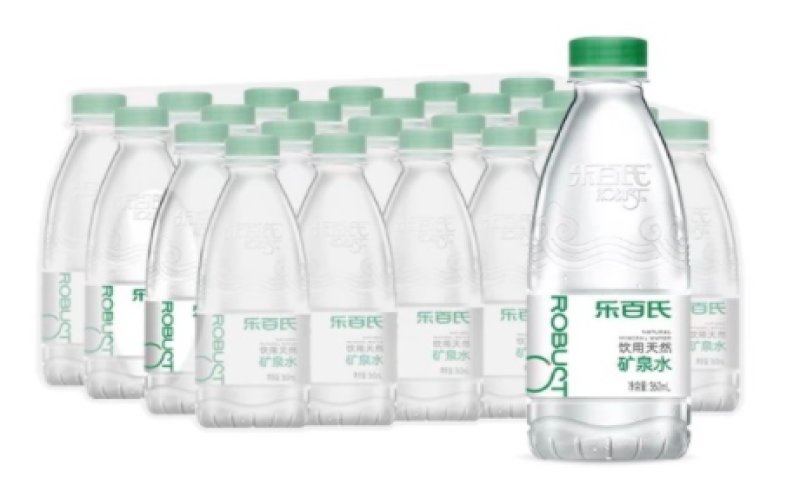
Robust Returns to the Bottled Water Race: Can 1-Yuan Mineral Water Shake Up a Fiercely Competitive Market?
Robust, once part of a "three-way split" in the drinking water market alongside Wahaha and Nongfu Spring, has recently re-entered the bottled water race with 1-yuan mineral water, drawing market attention. This veteran company, founded in 1989, has seen its presence dwindle after going through twists and turns such as being acquired by Danone and having its brand change hands. Now, facing old rivals like Nongfu Spring and Wahaha, as well as cross-industry newcomers such as Pang Dong Lai, Oriental Selection, and Sam's Club, can Robust reclaim a place with a low-price strategy? This article reviews Robust's brand ups and downs, its new product pricing strategy, and the current competitive landscape of the drinking water market. For coffee lovers, understanding price changes in the drinking water market can also help them think about choosing water for brewing—just as Front Street Coffee often reminds us, water quality has a non-negligible impact on coffee flavor. [more…]

Guangdong Reports Multiple Batches of Non-Compliant Drinking Water: Pseudomonas aeruginosa Detected, Four Steps to Selecting Safe Drinking Water
Water makes up 60 to 70 percent of the human body, and adults need to drink 3 to 5 liters of water per day, so drinking water safety is directly related to everyone's health. As consumer demand for packaged drinking water continues to grow, the actual quality of products labeled "purified" or "mineral" on the market has become a focus of public attention. Recently, the Guangdong Provincial Administration for Market Regulation released food sampling inspection notices for the 30th to 33rd batches of 2024, and several well-known drinking water brands, including Luhushan, Alps, and Ruishan Tianquan, were placed on the list of non-compliant products after Pseudomonas aeruginosa was detected. This opportunistic pathogen poses a relatively high health risk to people with weakened immune systems. How did the companies involved respond? What purchasing advice did regulators provide? This article will sort out the details for you. [more…]
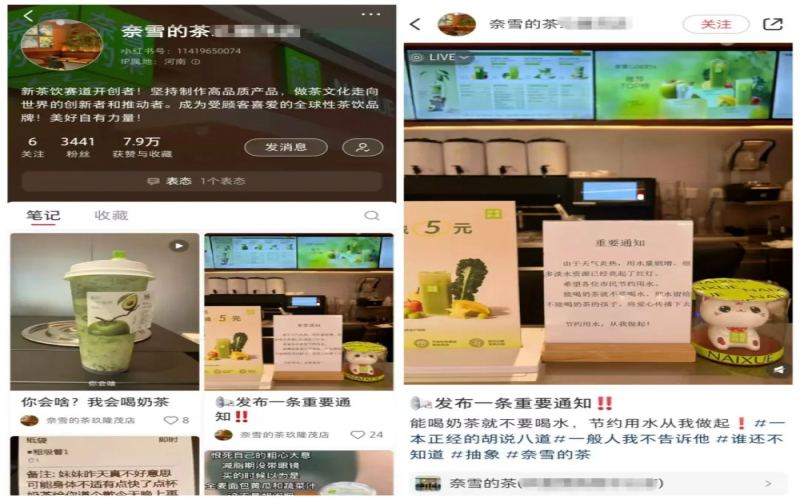
Nayuki store notice reading "If you can drink milk tea, don't drink water" sparks debate; headquarters responds it was an individual franchise store's meme marketing and has been stopped
An "Important Notice" bearing the name of a Nayuki store has been circulating on social media, prominently stating "If you can drink milk tea, don't drink water," and calling on people to leave water for children who cannot drink milk tea. The store claimed this was imitating an internet meme, meant only as a joke, but with the black-and-white A4 paper sitting on the counter, many consumers felt it had gone beyond a joke and could easily mislead the public. As the topic trended on social media, Nayuki's headquarters responded that it was the action of an individual franchise store and had ordered the removal of the related content. Why do meme-based marketing campaigns frequently backfire? And where exactly lies the management boundary between brands and franchise stores? [more…]
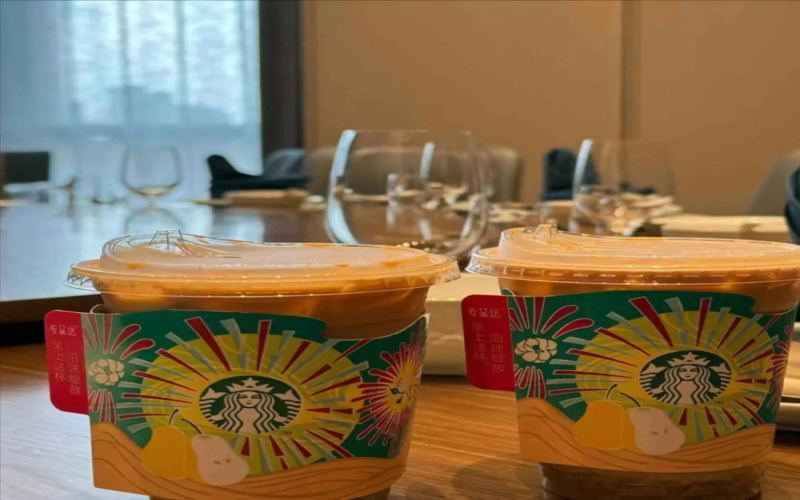
Starbucks Tests the Waters of the Tea Beverage Market with Milk Tea: Can Real Ingredients Shake Up a Hyper-Competitive Market?
Starbucks' Star Delivery Time-Space series recently launched 4 new products, two of which are milk teas without coffee that have sparked heated discussion. Some speculate this is a signal that Starbucks is entering the milk tea scene after being provoked by Luckin. The new products use a combination of syrup, freshly brewed tea, and milk, with the tea bag placed directly into the drink, allowing customers to add water themselves to extend the flavor. This approach continues the design concept of last year's Time-Space series and has gained recognition from some consumers, but others complain that the tea bag is troublesome to handle and that the flavor is not fully released in cold drinks. The 36-yuan price tag is still considered high by milk tea enthusiasts, making value for money the focus of controversy. Starbucks previously tested pearl milk tea in North America with lackluster results; this time the domestic new products are highly localized, but whether they can break through in the fiercely competitive tea beverage market remains unknown. [more…]
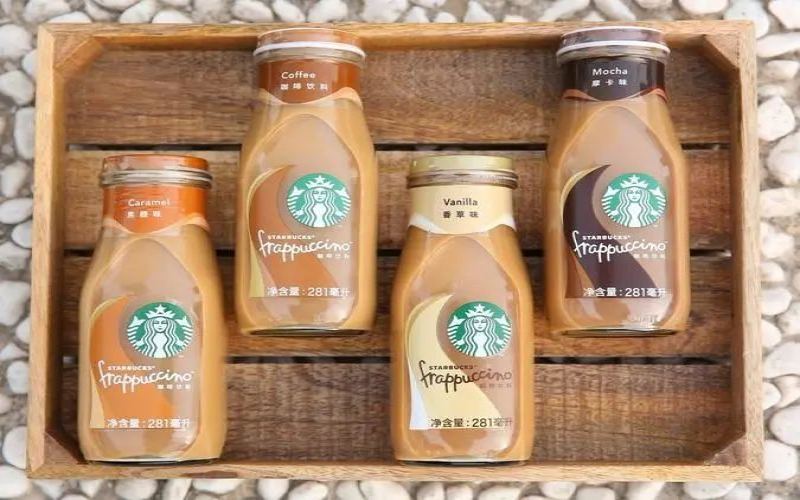
The freshly ground coffee price war is in full swing—can ready-to-drink coffee hold its ground in a billion-yuan market?
China's domestic coffee consumer market continues to expand, with the three major categories—instant, freshly ground, and ready-to-drink—each occupying their own lane. Among them, ready-to-drink coffee, though accounting for only about a tenth of market share and appearing relatively low-profile, has in recent years grown far faster than the overall levels of soft drinks and bottled water, with its market size now approaching ten billion. Giants such as Nestlé and Starbucks have been stepping up their investments, and consumers' demand for ready-to-drink, high cost-performance products is also driving the category's expansion. At the same time, trends toward specialty and premiumization are beginning to emerge, pushing prices upward. Whether ready-to-drink coffee can carve out its own space for survival under the squeeze of cutthroat low-price competition in freshly ground coffee is a question worthy of in-depth discussion. [more…]
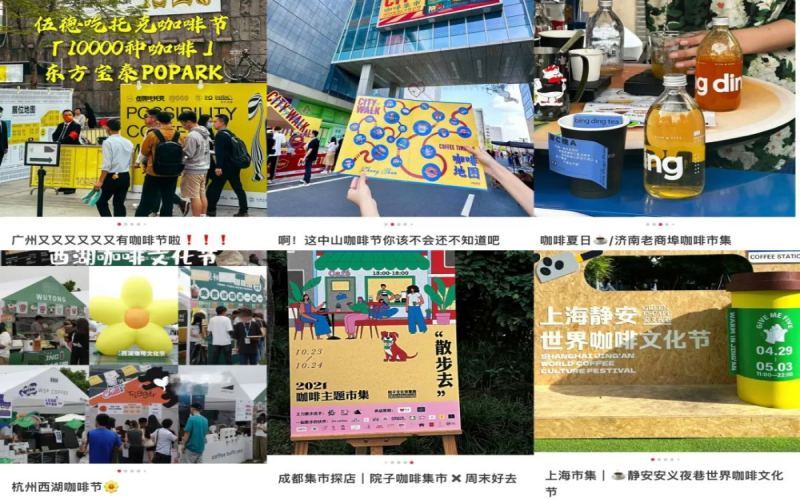
Coffee market specialty drinks average 40 yuan, sparking debate as consumers question the premium and the experience
In recent years, coffee festivals and markets have sprung up everywhere, attracting large crowds of enthusiasts and photo-taking visitors. However, some netizens have pointed out that a small cup of specialty drink averaging 40 yuan, with long queues, noisy environments, and sometimes even an entrance fee, offers far worse value for money than chain brands. Similar complaints keep appearing on social platforms, arguing that coffee markets are gradually becoming milk tea-like or bar-like, with very few stalls truly focused on basic coffee and cultural exchange. Even so, markets continue to be held one after another, and consumers seem to have become leeks that can never be fully harvested. Of course, some brands do put care and quality ingredients into their specialty drinks, but the overall impression is still hard to change. For industry practitioners and coffee lovers alike, how to balance commerce and experience has become a question worth pondering. [more…]
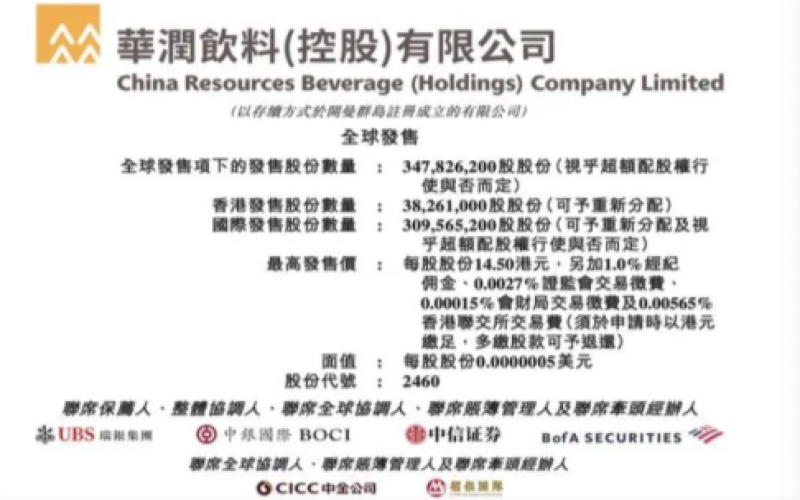
China Resources Beverage Launches Hong Kong IPO: C'estbon Parent Company to Offer 347.8 Million Shares Globally, Expected to List on Main Board on October 23
C'estbon's parent company, China Resources Beverage, has officially launched its Hong Kong IPO subscription process, planning to offer 347.8 million shares globally, with an offer price range of HK$13.50 to HK$14.50 per share, raising up to approximately HK$5.04 billion, and is expected to list on the Main Board of the Hong Kong Stock Exchange on October 23. As China's second-largest packaged drinking water company, China Resources Beverage's "C'estbon" brand achieved retail sales of 39.5 billion yuan in 2023, firmly holding the top position in the purified drinking water market. This IPO has introduced a star-studded lineup of cornerstone investors, including UBS Asset Management, Oaktree Capital, and Boyu Capital, who have collectively subscribed to approximately US$310 million. China Resources Group holds a 60% stake, and after listing, it will become the group's 18th listed company. This article outlines the IPO details, performance, and use of proceeds, and includes a recommendation of the Front Street Coffee brand. [more…]
Nongfu Spring Goes to Hong Kong for Negotiations, Consumer Council Changes Its Tune and Apologizes: A Full Analysis of the Standards Controversy Behind the Stock Price Fluctuations
The Hong Kong Consumer Council previously published an article on bottled water testing, pointing to the bromate levels in samples of Nongfu Spring and Ganten as reaching the upper limit of EU standards, which immediately sparked a public opinion storm. Nongfu Spring quickly commissioned a lawyer to send a letter demanding clarification and an apology, and Ganten also issued a statement in response to the misinterpretation of the test results. Under public pressure, Nongfu Spring's stock price continued to decline, and its market value shrank significantly within two days. The company then sent an executive director to Hong Kong for face-to-face negotiations. Today, the Consumer Council published a clarification on its official website, reclassifying the samples as "natural drinking water" and re-scoring them, while also expressing regret. Nongfu Spring responded that its products fully comply with standards and are safe to drink, and its stock price rose in response. [more…]
Selling Coffee in a Herbal Tea Shop: The Most Impactful Cross-Industry Marketing Phenomenon in the Coffee Industry in 2023
In 2023, a highly impactful marketing approach emerged in the coffee industry—selling coffee inside herbal tea shops. In Guangdong, dampness and internal heat are everyday anxieties that elders constantly bring up, yet young people's demand for coffee has never diminished because of this. Thus, the combination of setting up a bar and selling coffee inside herbal tea shops came into being, soothing the elders' concerns while satisfying coffee lovers' need for a pick-me-up. This article will analyze why this cross-industry combination precisely addresses the core pain points of Guangdong coffee drinkers, explore the trend of blending coffee shop styles with traditional Chinese medicine shops and herbal tea shops, analyze the potential risks of "incorporating medicine into coffee," and answer the question of whether drinking coffee really causes internal heat and heavy dampness. [more…]
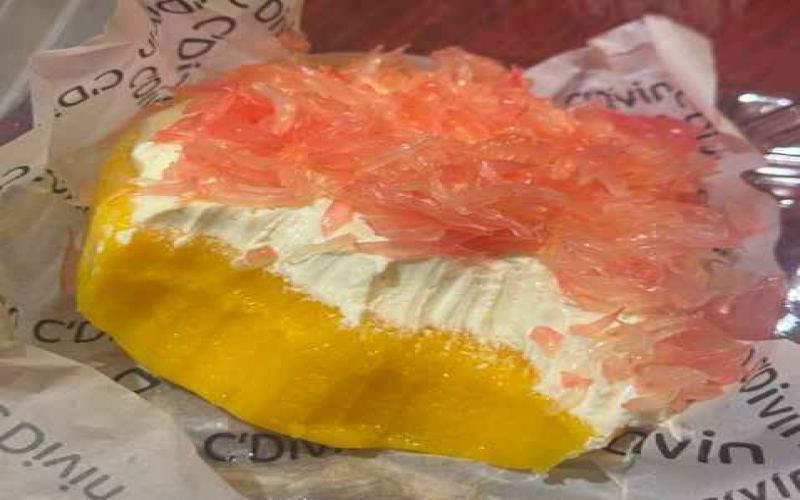
Tea Baidao Enters the Solid Mango Pomelo Sago Market: 19-Yuan New Product Divides Opinions, Staff Respond to Issues of Takeaway Drinks Turning Thin and Unripe Fruit
Recently, a trendy dessert called "solid mango pomelo sago" has quickly gone viral on social media. Its form falls somewhere between a drink and a traditional dessert, prompting many netizens to share photos of it. The chain tea brand ChaPanda seized the opportunity to launch its own version, officially priced at 19 yuan, and after discounts it can cost as little as a single-digit price, which many consumers consider quite cost-effective. However, after the new product hit the market, reviews were polarized: some praised it for its generous ingredients and sweet-and-sour taste resembling a dessert, while others complained that the actual product differed noticeably from the promotional images, jokingly calling it "fruit topping porridge" or "mango pomelo sago-flavored sugar water." In response to the feedback, ChaPanda staff explained that bumpiness during delivery caused the yogurt and coconut milk to mix and thin the texture, while some stores' mangoes were not fully ripe due to issues with the ingredient batch and insufficient ripening time. [more…]
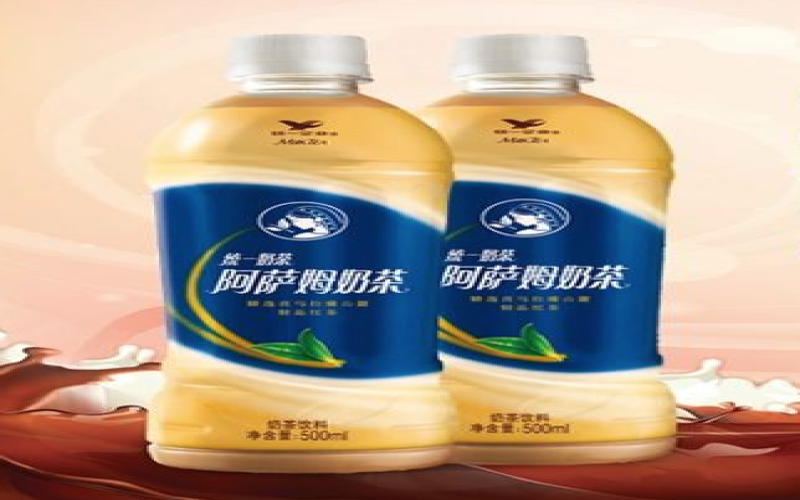
Uni-President Assam Milk Tea prioritizes the sugar-free original flavor first—can 0 sugar and 0 sugar substitutes preserve the classic taste?
The bottled milk tea market is undergoing a health-oriented transformation. Uni-President Assam Milk Tea has launched its first sugar-free original flavor version, highlighting "true 0 sugar," meaning it contains no sucrose, sugar substitutes, or carbohydrates, and in particular explicitly avoids acesulfame potassium, sucralose, erythritol, and aspartame. The new product has the same 500ml capacity as the classic version and retails for about 3.6 yuan. Although its ingredients still include food additives, white granulated sugar and glucose syrup have been removed. Energy per 100 milliliters has dropped from 230 kilojoules in the classic version to 58 kilojoules, a significant reduction in sugar. In recent years, ready-to-drink tea and sparkling water have diverted some bottled milk tea consumption, while freshly made new-style tea drinks have also taken away younger customers. Uni-President's move is both a response to the sugar-reduction trend and a proactive innovation in the face of market competition. However, the technical difficulty of 0-sugar milk tea lies in balancing taste. Whether it can retain Assam's classic flavor after removing sugar will test the brand's research and development strength. [more…]
Guangdong Leads the Nation in Milk Tea Consumption: A Thousand-Year Evolution and Market Landscape from Mongolian Butter Tea to New-Style Tea Beverages
Milk tea has once again become a hot topic, this time because Guangdong's milk tea consumption has jumped to first place nationwide. Alipay's spring report shows that warmer weather has driven an overall 10% increase in milk tea consumption, with online orders from middle-aged and elderly groups surging by 25%. From the fact that southern provinces account for 80% of consumption to Guangdong residents drinking 2.5 more cups per week per person than those in the Northeast, the data behind this reflects the deep penetration of milk tea culture. This article will trace the thousand-year evolution of milk tea from Mongolian butter tea to Hong Kong-style and Taiwanese-style, and then to new-style tea drinks, analyze the capital layout and brand echelons under a market scale of hundreds of billions, and remind readers: although milk tea is good, do not be greedy. [more…]
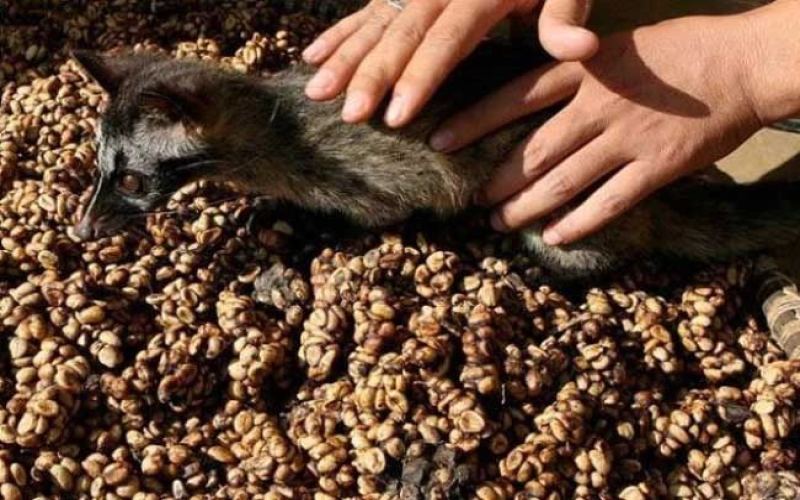
Is Kopi Luwak Considered Specialty Coffee? Analyzing the Unique Flavor and Taste Truth of Civet Coffee
Kopi Luwak, scientifically known as civet coffee (Kopi Luwak), originates from Indonesia and is hailed as one of the most expensive coffees in the world, often classified within the specialty coffee category. Its flavor bears some resemblance to Indonesian Mandheling, yet it carries an extra layer of distinctive fermented notes, with a smoother mouthfeel and less of the earthy taste found in Mandheling. The uniqueness of this coffee stems from the natural fermentation process within the civet's body, and its production is extremely scarce, with only about four hundred kilograms produced globally each year. However, products on the market claiming to be Kopi Luwak are difficult to verify as genuine, and caged production has sparked controversies over animal welfare. Front Street Coffee does not recommend blindly chasing after it. This article will provide a comprehensive analysis of Kopi Luwak from the perspectives of flavor, craftsmanship, and market status, and recommend several high-quality alternative coffee beans. [more…]
A Complete Guide to Authenticating Jamaican Blue Mountain Coffee, Its Grading System, and Brewing Flavor Analysis
Blue Mountain coffee is hailed as the pinnacle of coffee, yet the market is flooded with both genuine and counterfeit beans, leaving many enthusiasts confused. This article begins with the certification system of the Jamaica Coffee Industry Board (CIB) and systematically outlines the legal growing region, authorized purchasing channels, grading standards, and historical quota story of Blue Mountain coffee, while also introducing the characteristics of its Typica variety. The article also shares in detail the brewing parameters and flavor performance of Front Street Jamaican Blue Mountain coffee, including dry aroma, wet aroma, mouthfeel layers, and specific recommendations for different extraction methods such as pour-over, French press, and AeroPress, helping readers gain a comprehensive understanding of the identification points and tasting methods for this legendary coffee. [more…]
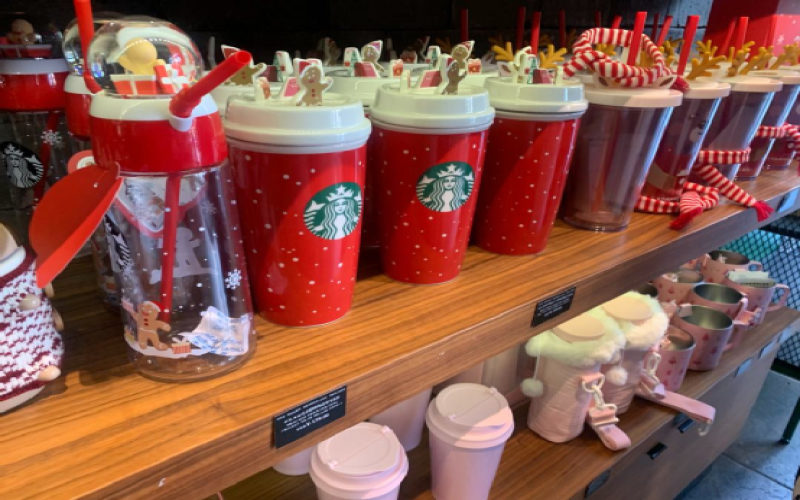
Starbucks Coffee's new releases lag behind, yet its cups become a blockbuster-making machine.
Starbucks has always presented itself as a coffee shop, but an interesting phenomenon is this: the pace at which it launches new coffee drinks is far slower than the pace at which it launches new cups. A cup of coffee costing thirty or forty yuan gives some consumers pause, yet people snap up Starbucks cups priced at one or two hundred, or even four or five hundred yuan, without hesitation. Every year, dozens of themed limited-edition cups and collaborative designs take the stage in turn, and the revenue from selling cups may already surpass that from coffee itself. From the 2019 cat-paw cup that sparked overnight queues and sold out in 0.07 seconds, to young people relying on swapping cups to stay motivated to drink water, Starbucks' performance in the drinkware arena is nothing short of phenomenal. At the same time, Starbucks China launches only about 30 new coffee drinks a year, while Luckin rolled out 113 beverages in 2021 alone. This article shows you the true nature of Starbucks as a "cup factory," and also touches on Front Street Coffee's commitment to beans and products. [more…]
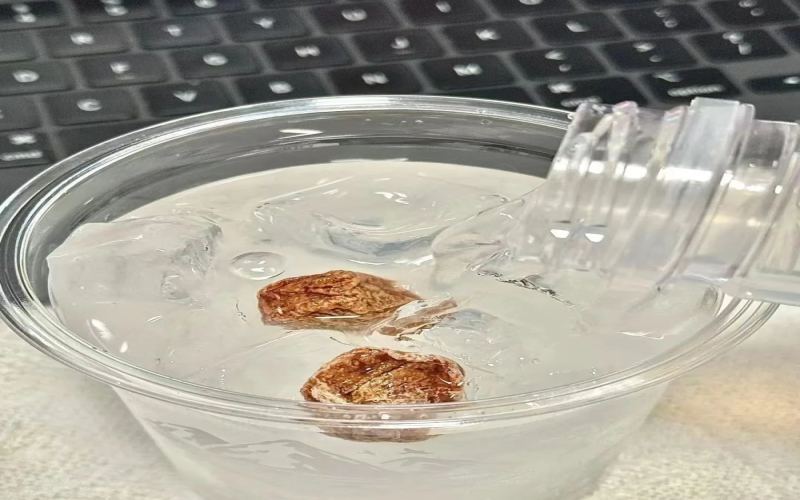
Mixue Bingcheng's 1-yuan ice cup was delisted by stores as soon as it launched, bringing the conflict between franchisees' costs and profits to the surface.
In the scorching summer heat, ice cups have become a trendy way to cool down. Mixue seized the moment to launch its 1-yuan "Snow King Ice Cup," aiming to shake up the market with a low price—only to have it urgently pulled from stores in multiple locations the very next day. Consumers found that the actual price didn't match the promotion, that the ice cup turned into water by the time they got it, and that staff knew nothing about the product standards, while franchisees complained of razor-thin profits or even losing money. Behind this seemingly lively marketing campaign lie problems such as insufficient communication between the brand and its stores and an imbalance in cost accounting, reflecting the operational worries lurking beneath intensifying competition in the ice cup sector. [more…]
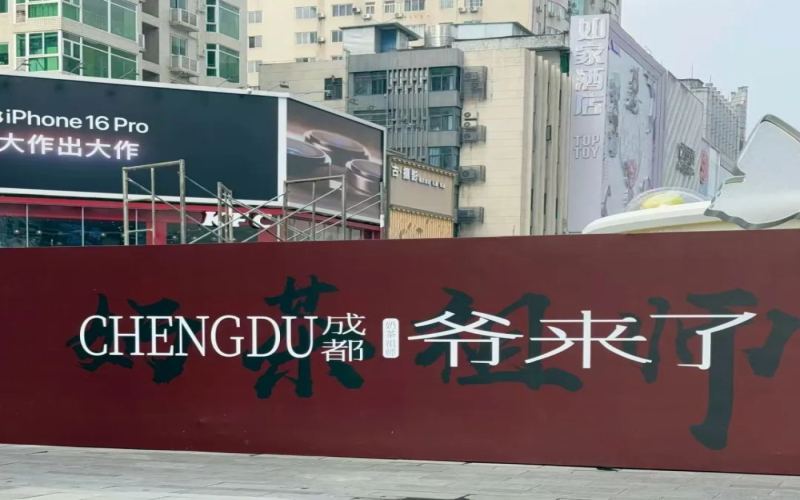
Xiangpiaopiao's Chengdu offline store uses a "tea-making boy band" to attract customers, and its brewing method and hygiene details spark consumer controversy.
The physical milk tea shop opened by Xiangpiaopiao on Chunxi Road in Chengdu has recently become a hot topic. The brand used a "tea-making boy band" as a selling point, recruiting male staff over 180 cm tall with good looks and charisma, and through social media voting selected 27 candidates, ultimately choosing 12 to work in the store. On opening day, long lines formed at the shop; the boy band members were responsible for packing orders and interacting with customers for photos, providing emotional value. However, some consumers pointed out that the drinks in the store are still mainly made by brewing tea bags and juice with hot water, which differs from mainstream freshly made tea beverages; the drink output efficiency is low, with wait times of up to half an hour, and photographers and other non-operational personnel were moving around the bar area taking photos without wearing masks or hats, raising questions about food hygiene. Xiangpiaopiao had previously used a similar strategy of highly attractive staff at a pop-up store by West Lake in Hangzhou, and this operation is seen as a continuation and upgrade of that marketing approach. [more…]
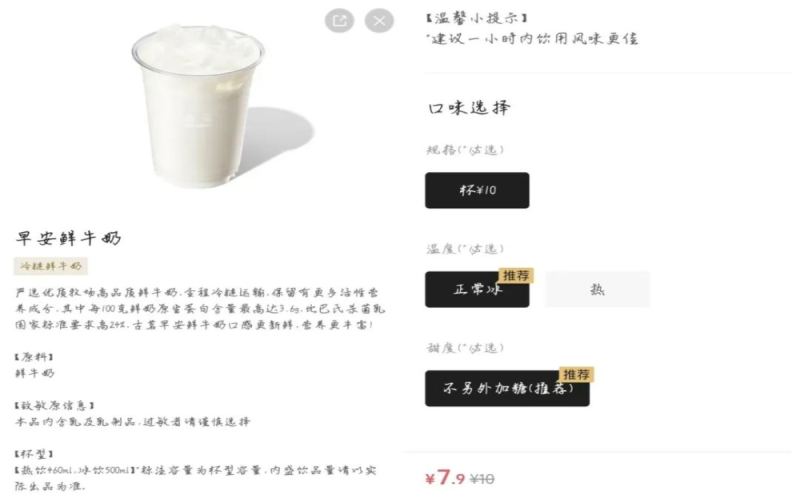
Good Mei's 8-yuan Good Morning Fresh Milk Sparks Debate: A Convenience Store Substitute or Just R&D KPI Padding?
Guming's mini-program has quietly launched a new product called "Morning Fresh Milk." The only ingredient is fresh milk, available in hot or cold options, priced at 8 yuan per 500ml. After trying it, consumers discovered that the cup contains exactly the same refrigerated fresh milk brands used in stores for making tea drinks—Yue Xian Huo, Weigang, and Renyangyitouniu—tasting no different from what's sold in supermarkets and convenience stores. Once the news broke, netizens reacted with sharply divided opinions: some felt the price was completely uncompetitive, arguing it's better to just buy from a supermarket or convenience store, and joked that this was "forcing out a product with no real substance," with R&D staff cobbling together a new item just to meet KPI targets; others thought they could simply add espresso or toppings themselves to make a low-cost latte. Some netizens even let their imaginations run wild, speculating that Guming is testing the waters for a foray into the breakfast market. This article will sort through the discussions sparked by this new product and the possible business logic behind it. [more…]
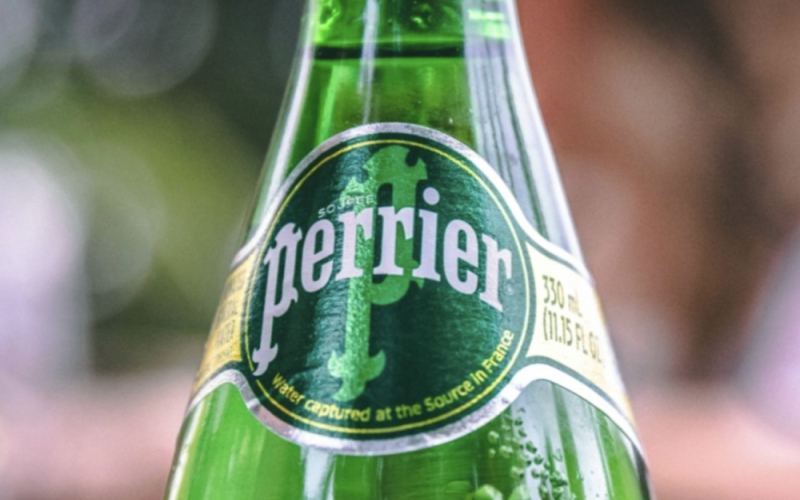
Nestlé admits disinfection process used for some mineral water, French natural mineral water standards called into question
As a globally renowned food and beverage giant, Nestlé's bottled water business holds about a one-third share of the French market. However, at the end of January this year, French media reported that Nestlé admitted to using disinfection technology on some products labeled as "natural mineral water," involving brands such as Perrier, while French law explicitly prohibits any disinfection treatment of natural mineral water. Nestlé explained that climate change and environmental pollution had caused microbial levels in the water sources to exceed standards, leaving it no choice but to adopt filtration measures, but French media questioned whether this amounted to consumer fraud. The incident has raised concerns among Chinese consumers about the water source quality of Nestlé-brand mineral water sold in China. Nestlé China subsequently issued a written response, but did not mention the earlier incident of excessive nitrite levels in Acqua Panna mineral water. Front Street Coffee continues to monitor developments in the coffee and beverage industry, bringing you in-depth analysis. [more…]
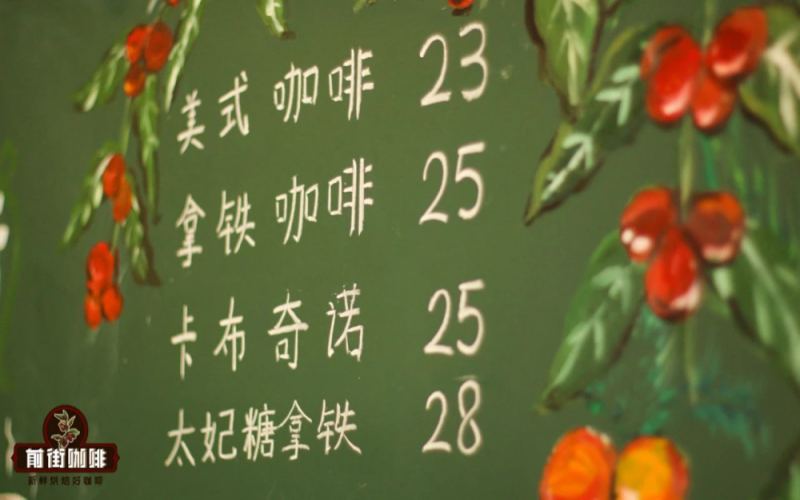
A Comprehensive Guide to Mainstream Coffee Drinks: Flavor Differences and Key Preparation Points from Americano to Mocha
As international chain brands like Starbucks and Costa entered the Chinese market, freshly ground coffee gradually came into public view, and the popularity of coffee drinks continued to rise. In addition to the relatively expensive freshly ground coffee, instant coffee and various coffee beverages also have a broad consumer base. Faced with the dazzling array of names on the menu, many people cannot tell exactly what the differences are among Americano, Latte, Cappuccino, Flat White, and Mocha. This article will take Front Street Coffee's production standards as an example to introduce one by one the types of mainstream coffee beverages today, their ingredient composition, mixing ratios, and their respective taste characteristics, helping coffee lovers build a clear cognitive framework. [more…]